Contact Details
Squire Resort at the Grand Canyon
74 State Route 64
Grand Canyon, AZ 86023
Hotel Direct Number: 928-638-2681
Reservations: 800-780-7234
Get Directions
Check-in: 4:00pm
Check-out: 11:00am


1/5


At Squire Resort at the Grand Canyon, BW Signature Collection, we offer more than just hotel rooms. We are your comfortable home base for all Grand Canyon National Park adventures.
Squire Resort at the Grand Canyon
74 State Route 64
Grand Canyon, AZ 86023
Hotel Direct Number: 928-638-2681
Reservations: 800-780-7234
Get Directions
Check-in: 4:00pm
Check-out: 11:00am


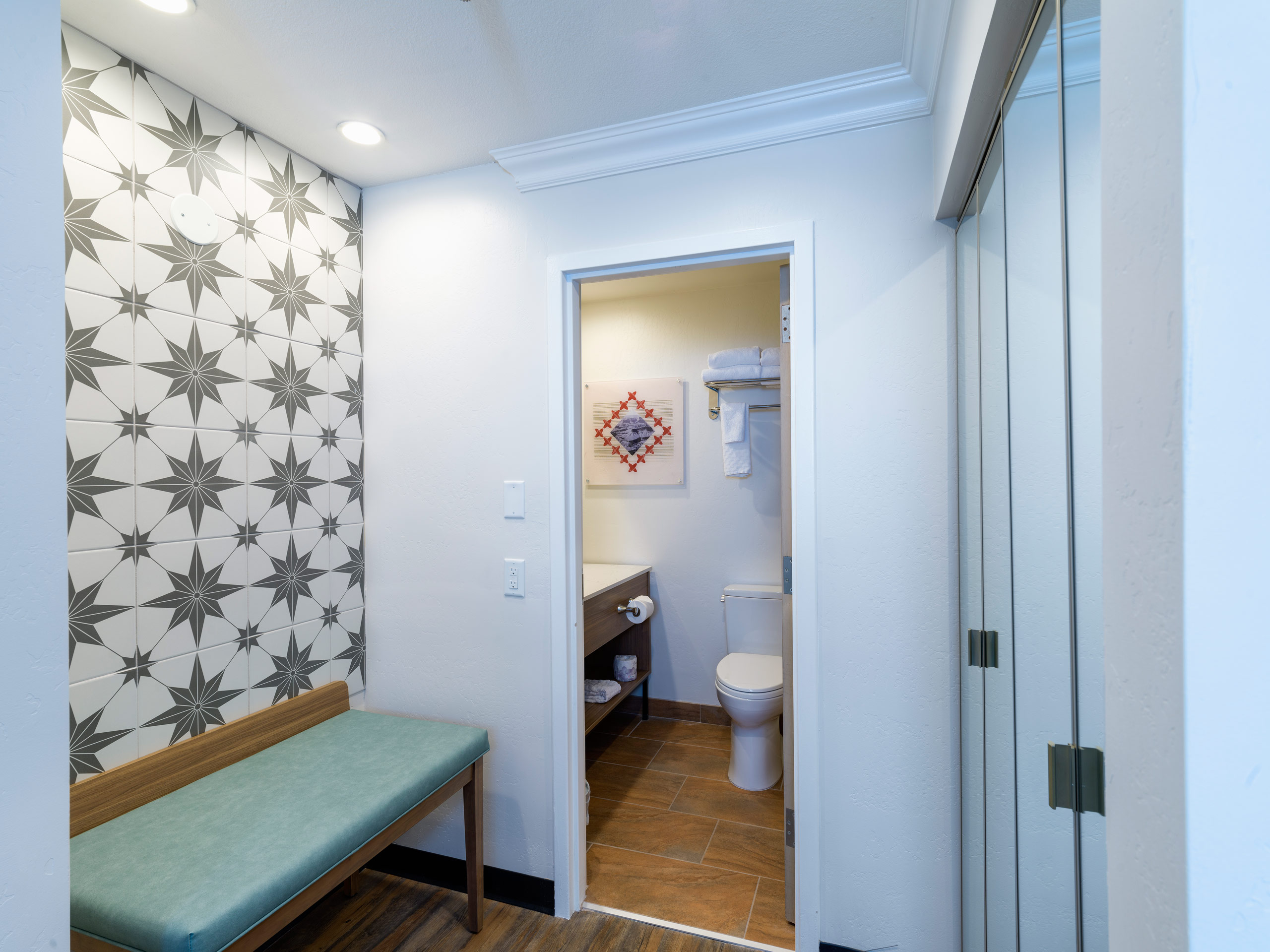


Stay in our newly remodeled rooms featuring updated accents and furniture designed with your comfort in mind! Choose from:
All rooms include standard amenities like a flat-screen TV and Keurig coffee maker.


Stretch out in our two-room suites minutes from the South Rim. These premier accommodations include:


Give your family more space with our junior suites. These large, rooms offer:


Enjoy our deluxe hotel rooms near the Grand Canyon. These lodgings feature:


These accommodations are perfect for a quick stop at the Grand Canyon or for couples on a budget. Find intimate rooms with:
A daily amenity fee of $25 per night will be added to all Squire Resort reservations. In addition to our regular hotel amenities, the Amenity Fee includes:
If you have questions about the Amenity Fee, please inquire at check-in. Added values are subject to availability and may be substituted at any time.
Yes, some of our rooms are pet-friendly.
Grand Canyon National Park allows leashed dogs on named trails above the rim (not on any inner Canyon trails for their safety and yours). Walk the South Rim for great views and a safe, pet-friendly hike. You’ll get to see some of the big draws of the Grand Canyon:
Check-in begins at 4pm and check-out is at 11am. A valid government-issued photo ID and major credit card are required upon check-in.
All of our guest rooms and common areas are non-smoking. Coconino County law also permits smoking within 20’ of a building.
Yes, various parking spots are available onsite at no charge.
Yes! Guests of Squire Resort have the option to Choose a Greener Stay:
Maximize your enjoyment. Minimize environmental impact.
You can conserve water and minimize our environmental footprint by choosing a Greener Stay. This program limits housekeeping service you may not need and is a simple way to ensure your stay is enjoyable while helping to protect the environment. To opt in to this program, please inquire at the Front Desk upon arrival.

